Homes & Hands
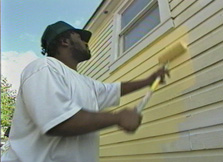 The inspiring story of three communities that have found an empowering way to bring the American dream of owning a home to low-income residents. Community land trusts (CLTs) make housing permanently affordable by giving ownership of the land to local community groups and eliminating the usual spiral of land price speculation. Through the personal stories, tenacity and vision of community activists in Durham, North Carolina; Albuquerque, New Mexico; and Burlington, Vermont, audiences are compelled to rethink their assumptions about affordable housing and community development in the United States.
A GroundSpark production
Producer/Director: Helen S. Cohen; Director: Debra Chasnoff
TRAILER
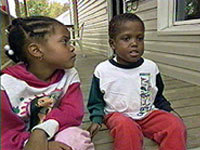
'Homes and Hands' never fails to move and inspire people who tend to feel disenfranchised and left out of the planning process. They see that they can actually take matters into their own hands and have an impact on their communities.
—Hank Herrera, Planner, Northeast Neighborhood Alliance Community Land Corporation, Rochester, NY
An extraordinarily informative and inspiring film that presents a clear and vivid description of how land trusts work and why they are an attractive mechanism for providing affordable housing and developing strong communities. A terrific teaching resource for courses in urban studies, housing and community development.
—William M. Rohe, Professor, Department of City and Regional Planning University of North Carolina at Chapel Hill
The principles embodied in community land trusts and brought to life in this powerful film are lessons that should be incorporated into all federal, state and municipal housing initiatives.
—Rachel B. Bratt, professor and chair, department of urban and environmental policy, Tufts University
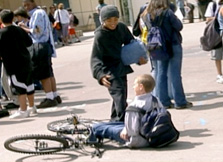 Name-calling and bullying have reached epidemic proportions in schools today. Let’s Get Real gives young people the chance to speak up in their own words about the real issues behind the problem. With amazing courage and candor, the students featured in Let’s Get Real discuss racial and religious differences, perceived sexual orientation, disabilities, sexual harassment and more. From the youth who are targeted, to the students who pick on them, to those who find the courage to intervene, Let’s Get Real examines bullying from the full range of perspectives. This poignant film educates audiences of all ages about why we can no longer accept name-calling and bullying as just a normal rite of passage. Let’s Get Real is now widely used to jump-start violence prevention and multicultural educational programs internationally, and is a must-see for any adults who work with young adolescents.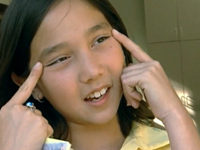
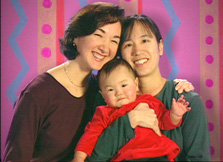 With blunt and sometimes hilarious candor, children from over 50 diverse families open the door to their homes, and explain things like “divorce,” “mixed race,” “gay and lesbian,” “birth mom,” “single parent,” “guardian,” and “stepdad,” and get right to the point of what they wish other people would understand about their families. While designed especially for young audiences, That’s a Family! stretches the minds and touches the hearts of people of all ages. It is a fresh look at the changing American family, and lets children lead the way in preventing prejudice and embracing diversity.
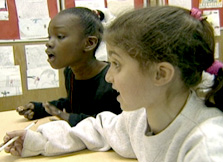 It’s Elementary takes cameras into classrooms across the U.S. to look at one of today’s most controversial issues – whether and how gay issues should be discussed in schools. It features elementary and middle schools where (mainly heterosexual) teachers are challenging the prevailing political climate and attempts to censor any dialogue in schools about gay people.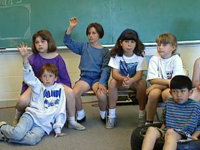
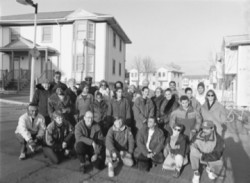 Holding Ground is at once a cautionary tale of urban policies gone wrong and a message of hope for all American cities. In 1985, African-American, Latino, Cape Verdean, and European-American residents in Roxbury, MA united to revitalize their community. The Dudley Street Neighborhood Initiative went on to gain national recognition as residents fought to close down illegal dumps, gain unprecedented control of land from City Hall and create a comprehensive plan to rebuild the fabric of their community. Through the voices of committed residents, activists and city officials, this moving documentary shows how a Boston neighborhood was able to create and carry out its own agenda for change.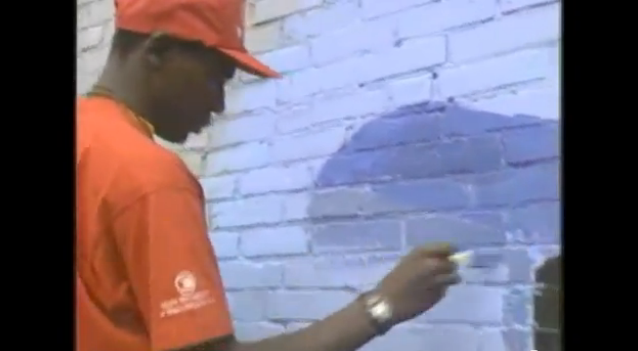
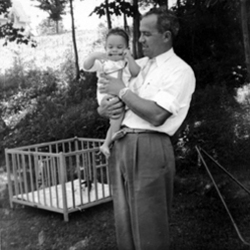 Filmmaker Mark Lipman looks back at the impact of his father’s death over thirty years ago and uncovers more than he bargained for. What begins as a personal memorial to his father evolves into a moving exploration of grief and depression, the vagaries of memory and the veneer of family normalcy. Haunted by his inability to prevent his father’s death at age 17, the making of this film came to span twenty years as Lipman tried to construct an image of his father from relatives’ memories and psychiatric records unearthed from hospital archives. The film circles around to become an inquiry into his own life – the choices he has made and how his father’s life resonates within his own. Using evocative home movies and poetic imagery, Father’s Dayallows the viewer to become immersed in intimate conversations about death, suicide, mental illness and the choices that went into the creation of a family. There are no easy answers or tidy conclusions and so the film creates an unusual space for viewers to reflect upon their own lives.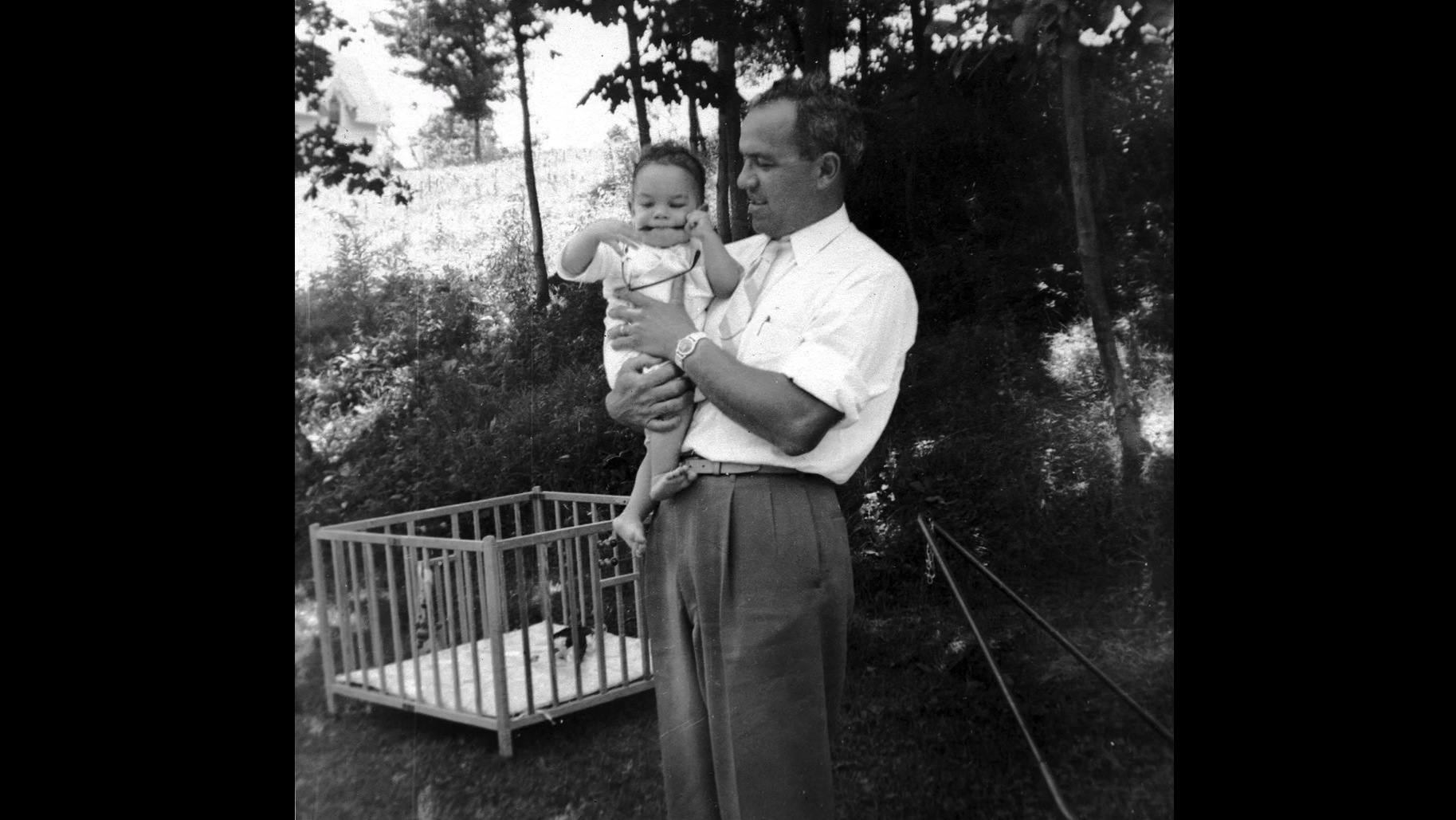
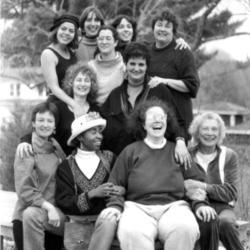 A fascinating look into the conversations of nine women who gather together for a weekend to talk about sex. The women range in age from 21 to 71 and come from diverse racial backgrounds and sexual orientations. In this intimate video produced, directed and recorded by women, we see the openness and warmth that evolves as the women share their questions, experiences and concerns. The women talk frankly about sexual orientation, menstruation, masturbation, sexual fantasies, orgasms and the effect of AIDS and sexual abuse on their lives. Both serious and humorous, the wide range of experiences presented offers a unique opportunity for all viewers—women and men—to talk about their sexuality.
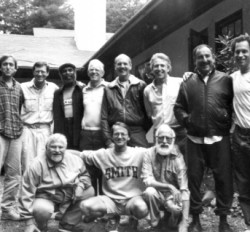 What do men really want sexually? How did they learn about sex? How does sexual expression change with age? Finding Our Way explores these questions and offers a rare glimpse into men’s experiences of their sexuality as it follows the discussions of ten men who meet at a weekend retreat. The men range in age from twenty-seven to seventy-one and come from a variety of backgrounds: a writer, an insurance agent, a clergyman and the owner of a dry cleaning store. They are heterosexual, gay and bisexual. Finding Our Way is a first step toward creating new role models and moving beyond the stereotypes surrounding male sexuality. The program helps men feel less afraid of closeness with other men and encourages both men and women to talk more openly about their sexuality.
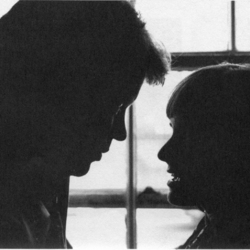 The first documentary to examine the problem of wife abuse through the man’s experience of it. Composed primarily of interviews with men who have assaulted their wives and lovers, this classic film explores the personal and societal attitudes that lead men to do violence to those nearest them. It also examines the changes in attitudes that are essential for men to stop their violent behavior. Why do men beat their wives? How common is woman abuse? How do violent men perceive their own violence? At what point will men who batter seek help? Is it possible for violent men to change? To Have and to Hold addresses all these questions and probes issues that touch all men’s lives: the need to control a situation; the use of violence as an accepted means of solving problems; the training to dominate women; and the inability to feel and express emotions.